
Hydrocolloid Pimple Patches: How They Work for Acne Spots
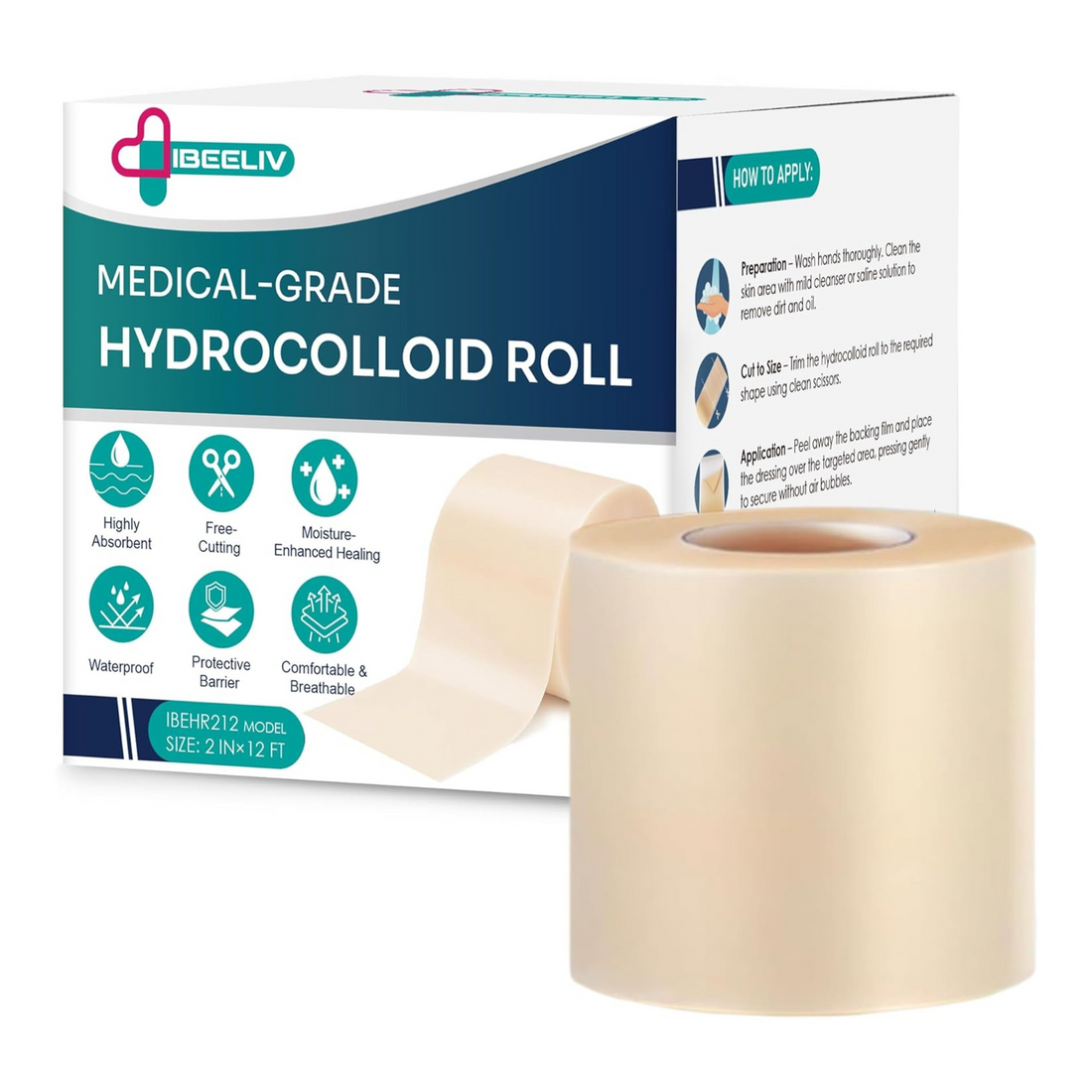
Hydrocolloid pimple patches have become a popular acne care tool because they are simple, discreet, and easy to use. They cover the spot, reduce touching, and can help absorb surface fluid from a whitehead or small acne blemish.
Most pimple patches come in fixed circles. A hydrocolloid roll gives you another option: you can cut your own patches in the size and shape you need. That can be useful for larger spots, clusters, chin breakouts, or areas where a standard small circle does not fit well.
What Is a Hydrocolloid Pimple Patch?
A hydrocolloid pimple patch is a small adhesive dressing made with hydrocolloid material. The same type of material is also used in wound dressings and blister pads. When it contacts moisture, it can form a soft gel-like layer and help keep the area protected.
For acne care, hydrocolloid patches are usually used on surface-level spots, especially whiteheads. They are not a cure for acne, but they can make spot care cleaner and help reduce the urge to pick.
How Do Hydrocolloid Pimple Patches Work?
Hydrocolloid patches work by covering the blemish and creating a protective barrier. This matters because touching, picking, and rubbing can make a spot look worse and may slow down the skin's recovery.
A hydrocolloid patch can help:
- Cover the spot so you are less likely to touch it
- Absorb surface fluid from a whitehead
- Protect the blemish from dirt, friction, and rubbing
- Keep skincare and makeup from irritating the area
- Create a cleaner-looking way to manage a visible spot
Why Use a Hydrocolloid Roll for Acne Spots?
Pre-cut acne patches are convenient, but they are usually one size. A hydrocolloid roll lets you cut custom patches for different areas of the face or body. You can make a small square for one spot, a longer strip for the chin, or a larger piece for multiple nearby blemishes.
The IBEELIV Medical-Grade Hydrocolloid Roll is a 5cm x 3.6m cut-to-size dressing, so it can be used for acne spots as well as minor wound care, blister protection, and other everyday skin protection needs.
Shop the IBEELIV Hydrocolloid Roll for acne spots and wound care
When Should You Use Hydrocolloid Pimple Patches?
Hydrocolloid patches are best suited for spots that have visible surface fluid, such as whiteheads. They are less useful for deep cystic acne because there may be no surface fluid for the dressing to absorb.
Good times to use a hydrocolloid patch include:
- When a whitehead has appeared
- When you want to stop yourself from touching or picking a spot
- When a blemish is rubbing against a mask, collar, or pillow
- When you want to protect a spot overnight
- When you need a custom patch size for a larger area
How to Cut and Apply a Hydrocolloid Patch for Pimples
- Cleanse the skin gently and dry the area completely.
- Cut a small piece of hydrocolloid roll that covers the spot with a little extra border.
- Round the corners if you want the patch to stay flatter on curved areas.
- Apply the patch directly to clean, dry skin.
- Leave it in place until it turns white, lifts, or feels ready to replace.
- Remove gently and avoid pulling aggressively on irritated skin.
Can You Use Hydrocolloid Patches with Skincare?
Hydrocolloid patches stick best to clean, dry skin. If you apply thick creams, oils, or heavy serums first, the patch may not adhere well.
Avoid placing hydrocolloid patches over strong active ingredients if your skin is already irritated. Ingredients like benzoyl peroxide, retinoids, and acids can sometimes make the area more sensitive when covered. If you are unsure, use the patch on clean skin only.
Hydrocolloid Patch vs Regular Acne Spot Treatment
A regular acne spot treatment usually relies on active ingredients. A hydrocolloid patch is different because it mainly works as a protective covering and absorbent dressing. It does not replace acne medication, but it can support a cleaner spot-care routine.
Many people use both approaches at different times. For example, a hydrocolloid patch may be useful overnight on a whitehead, while active skincare may be part of a broader acne routine.
Hydrocolloid Pimple Patch FAQ
Do hydrocolloid patches work on all pimples?
They work best on surface-level pimples with visible fluid, especially whiteheads. They are usually less effective on deep cystic acne.
Can I cut hydrocolloid bandages into pimple patches?
Yes. A hydrocolloid roll can be cut into small patches, strips, or larger custom shapes for different acne spots.
Why does a pimple patch turn white?
The white or cloudy appearance usually means the hydrocolloid material has absorbed moisture or surface fluid.
Can I wear a hydrocolloid patch overnight?
Many people use hydrocolloid patches overnight. Replace the patch if it lifts, becomes saturated, or feels uncomfortable.
Can hydrocolloid patches prevent picking?
They can help because they physically cover the spot. This makes it harder to touch, scratch, or pick at the blemish.
Final Thoughts
Hydrocolloid pimple patches are useful because they protect acne spots, reduce touching, and can absorb surface fluid from whiteheads. A cut-to-size hydrocolloid roll gives you more flexibility than standard pre-cut circles.
If you want one dressing that can be used for acne spots, minor wounds, blisters, and other skin protection needs, the IBEELIV Hydrocolloid Roll for Wound Care is a practical option for home care.